|
M. Markley Antiques |
Antique Cabinets | |||||||||||||||||||||||||||||||||||
|
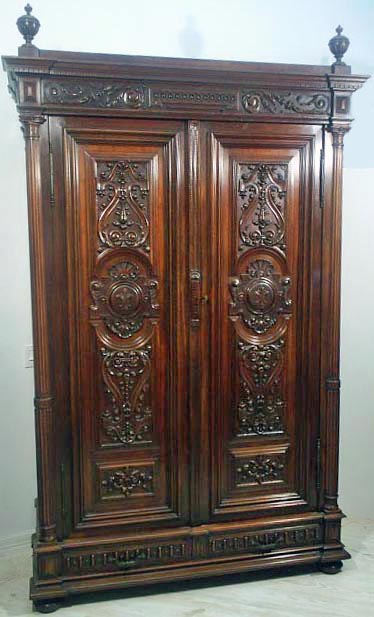
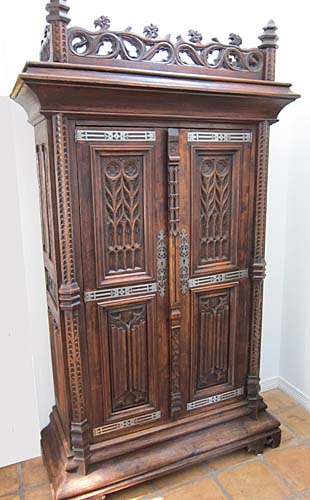
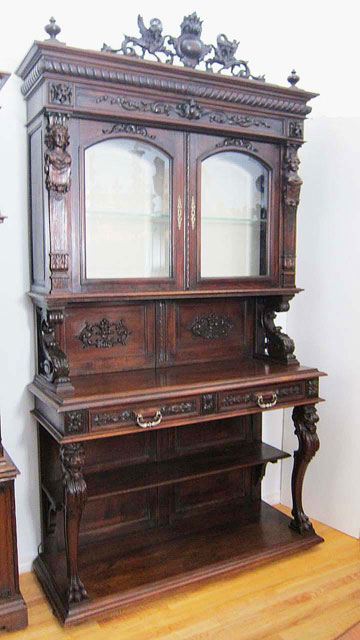
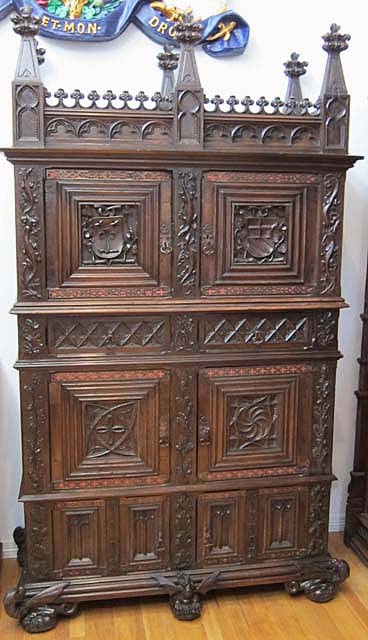
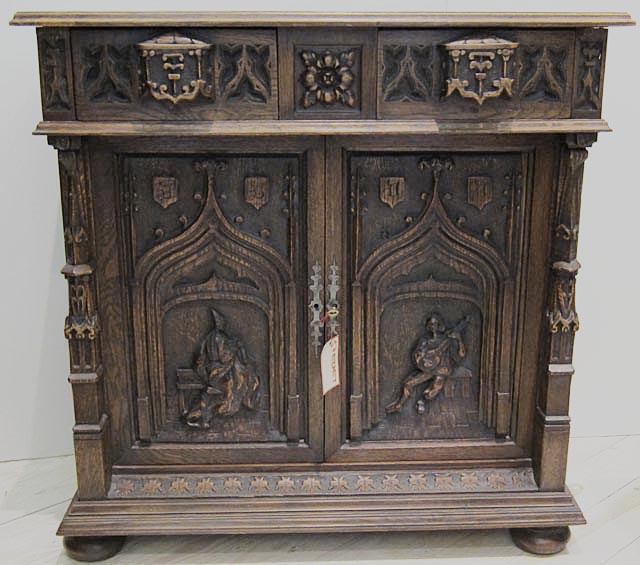
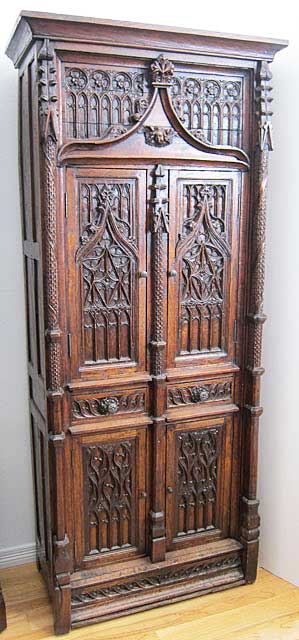
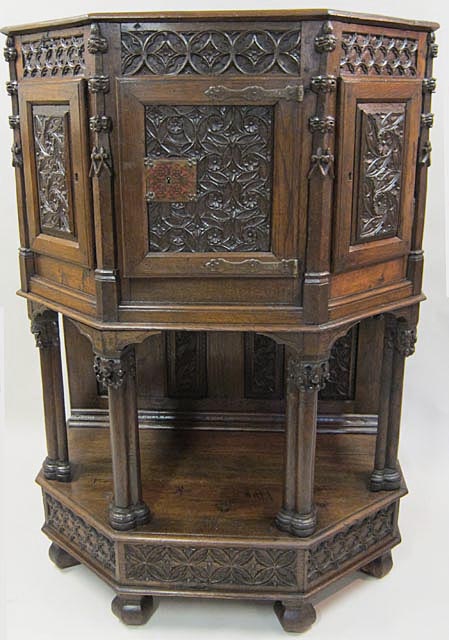
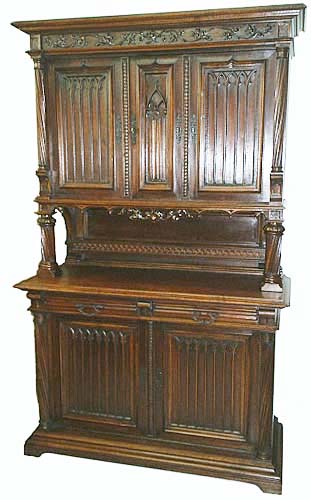
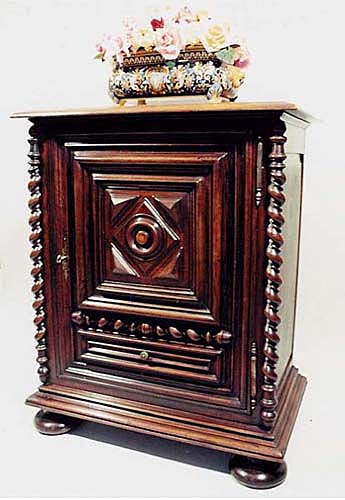
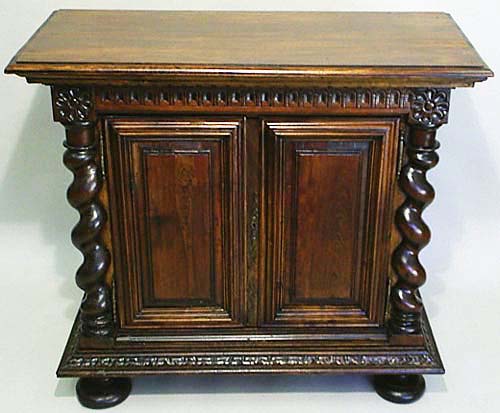
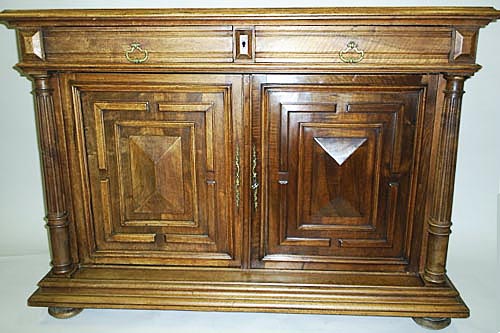
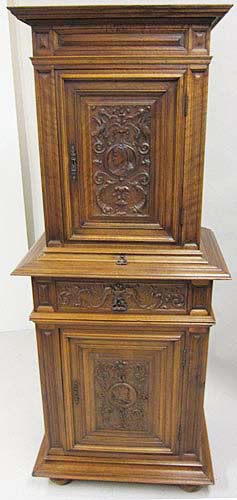
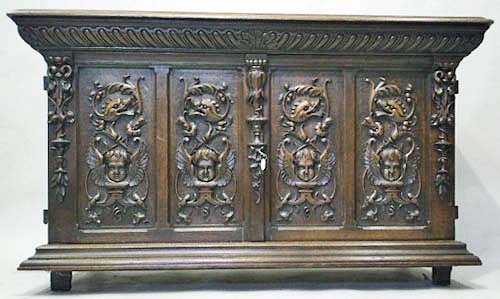
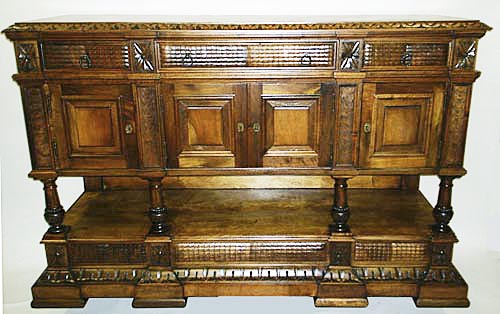
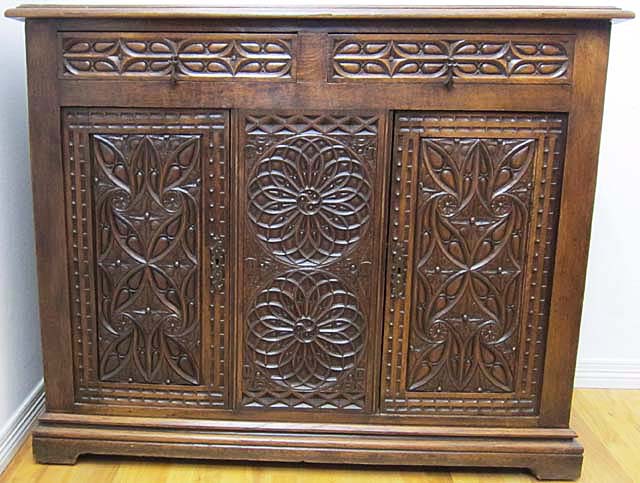
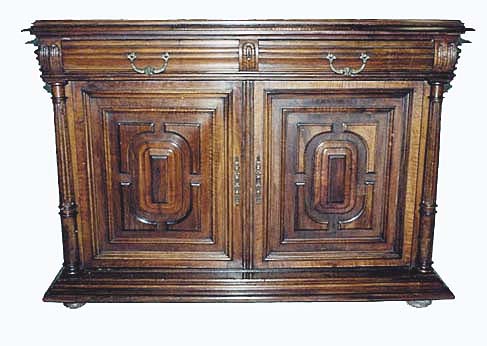
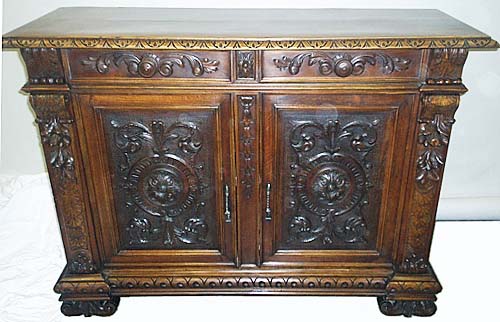
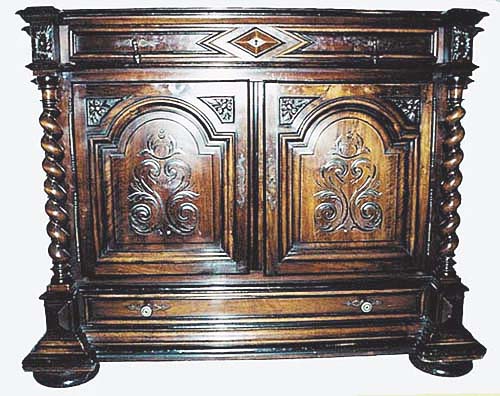
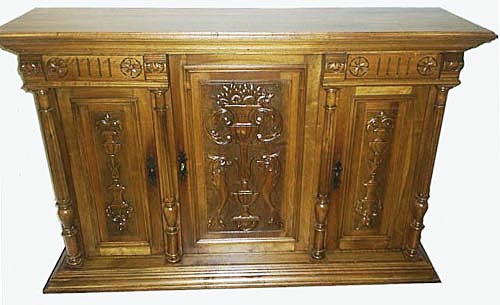
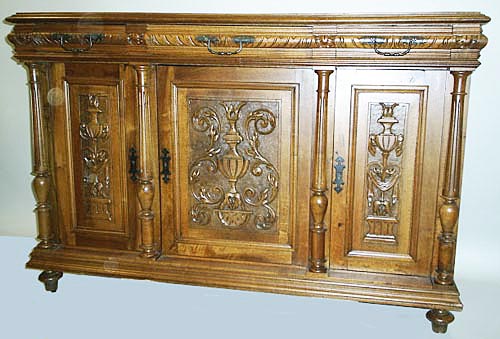
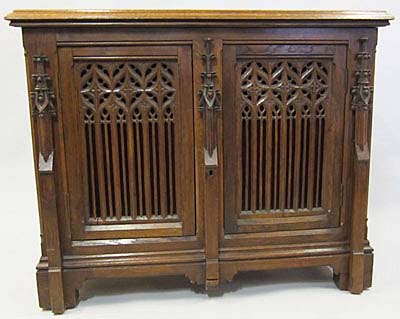
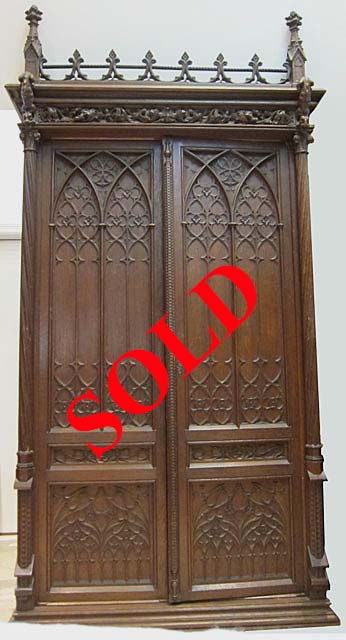
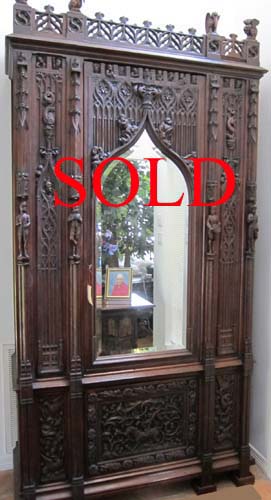
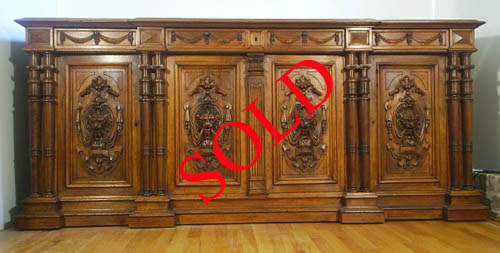
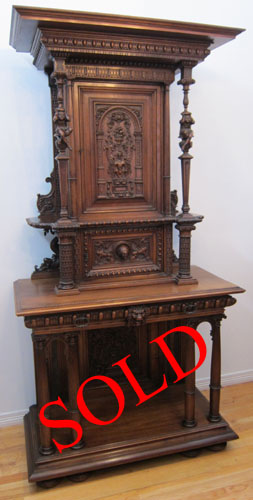
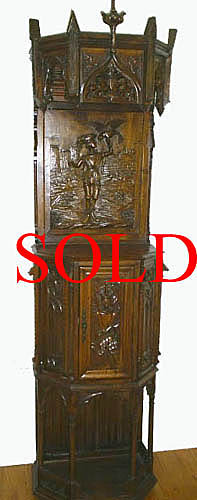
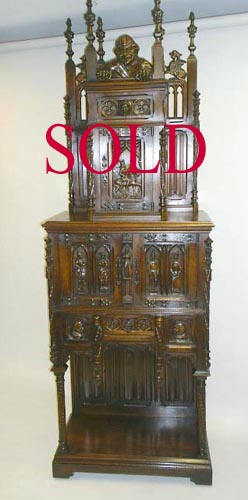
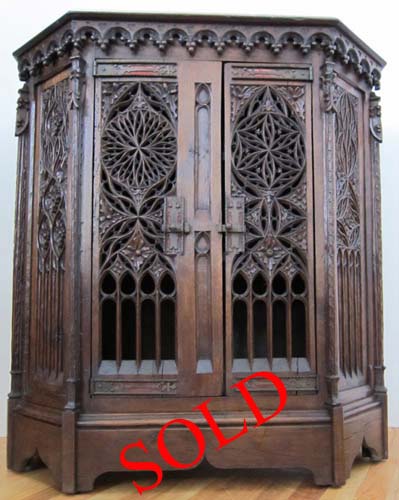
For prices, additional photos, and more information about each item, CLICK on the photo, plus check out our page of Recent Arrivals. For more information about the history of cabinets, scroll down below the photo gallery. |
|
|
|
|
|
|
|
|
|
|
|
|
|
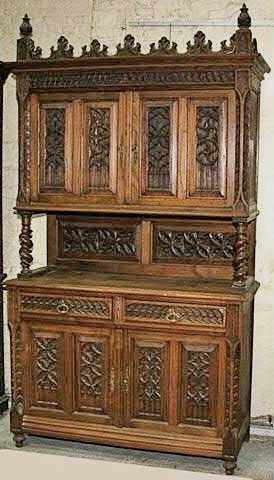
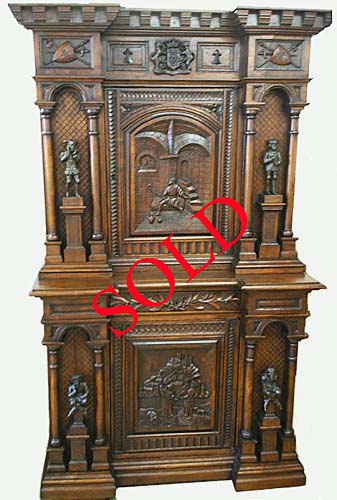
![]() #3097 - "Chivalry" Cabinet in Walnut |
|
|
|
|
|
Our
Château des Bois CollectionTM is rich and varied when it comes to cabinets - from
small confituriers to massive, two-piece buffets dating from the 18th to the
20th centuries in styles including Gothic, Renaissance (Henri II), Louis XIII,
and Louis
XIV, crafted from solid walnut or oak.
We were especially fortunate to acquire the entire collection of a
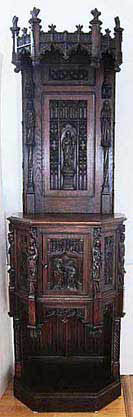
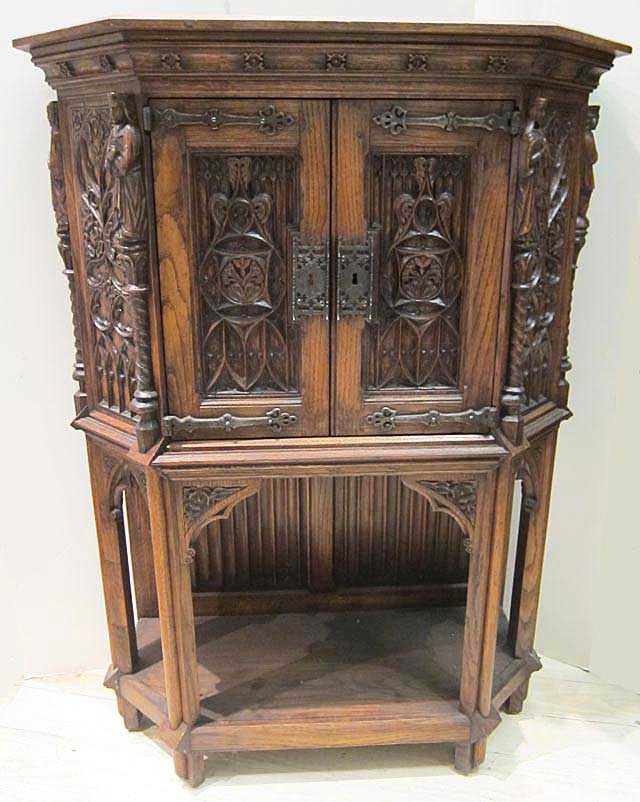
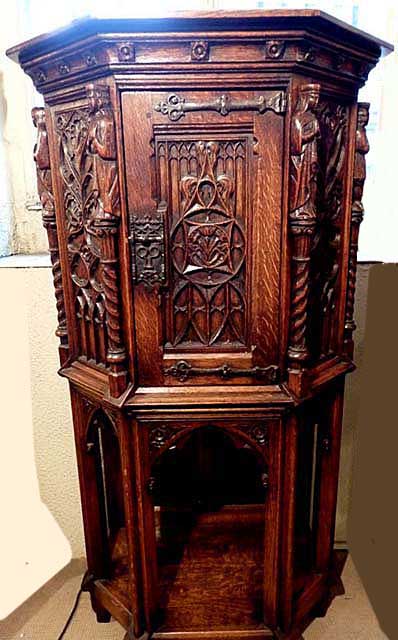
retired French physician and devoté of French Gothic Revival furnishings who collected 19th century interpretations of Medieval
cabinets featuring Gothic tracery and intricate statuettes. Like
the armoire, the cabinet traces its
ancestry to the chest, which when turned onto its front or back panel and
hoisted onto a platform became a cabinet with a lid which became a door. Two chests mounted on top of one another in
this manner formed the original bahut-deux-corps or two-piece cabinet. The
stylistic evolution of cabinets is a rich one, especially in the Middle Ages
and Renaissance whose 19th century revival figures so large in the Château des
Bois CollectionTM. During the Middle
Ages, cabinets served not only a storage function but also display. They grew ever larger in size as their
owners sought more surfaces upon which to display silver, ceramics and other
material indicators of their wealth and status. The need for horizontal display surfaces is directly responsible
for the dressoir, a style of cabinet popularized in the Middle Ages and used
throughout the Renaissance. The
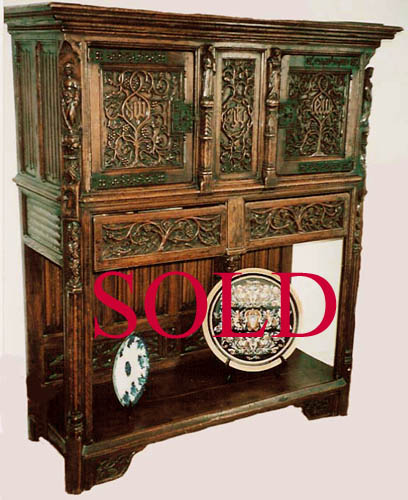
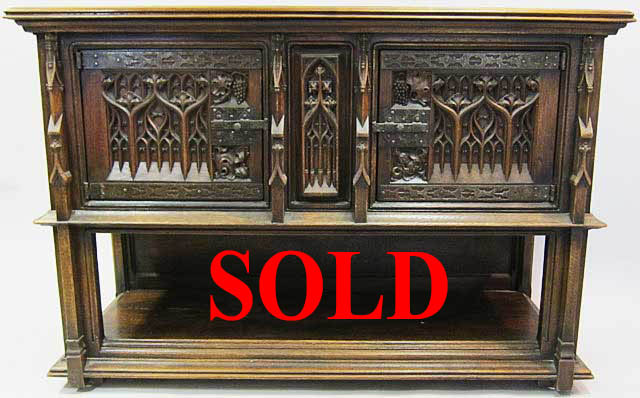
dressoir is a cabinet with a central case at eye level, usually having a
door on either side of a central panel.
Below the case is an open area with a pot board, a few inches above the
floor, to display large items such as platters and vases. Examples of dressoirs can be found in
numerous paintings and illuminated manuscripts from the Middle Ages and
Renaissance, including works by Rogier van der Weyden and other Flemish masters. In
addition to a surprising number of
dressoirs surviving from the Middle Ages and now in the hands of museums
or private collectors, the 19th century revival of interest in Gothic furniture
led to the creation of contemporary pieces which were faithful renderings of
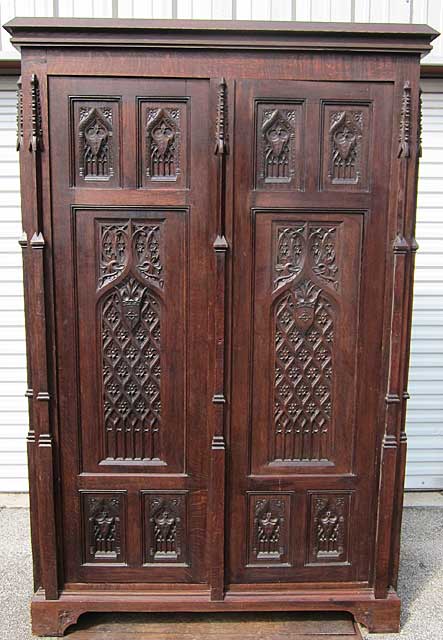
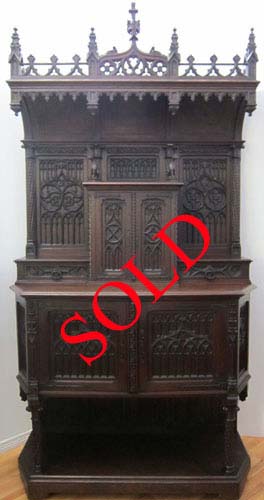
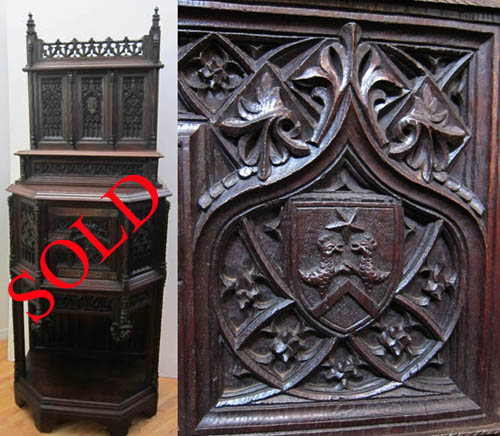
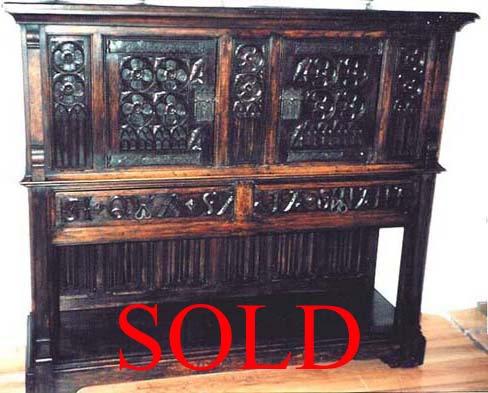
ancient models. Particularly striking
are those employing tracery or fenestrage, to give the impression of Gothic
architectural elements, and plis-de-serviette or plis-de-parchemin, the
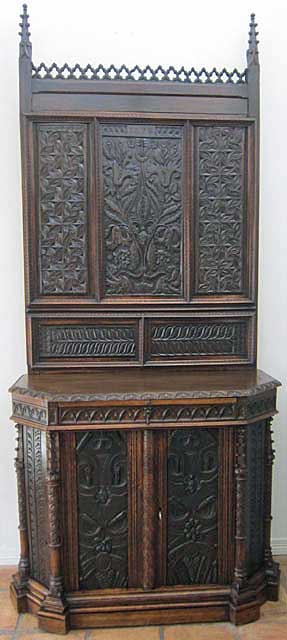
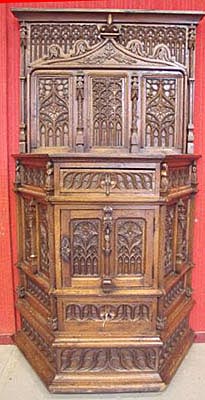
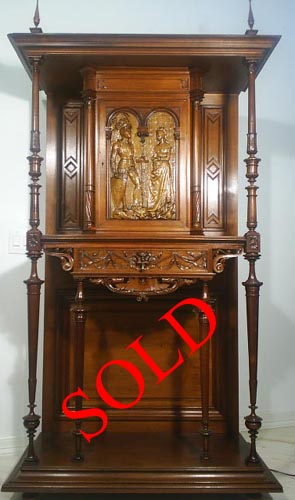
distinctive panels depicting a folded cloth or parchment. A taller, slimmer variation of the dressoir
was developed, called the argenterie, to lock up the family's valuable silver
(argent) in the central case while providing horizontal display surfaces above
and below. Renaissance
craftsmen developed the dressoir further, including overt architectural
elements for the basic structure, such as arches and columns, along with
increasing use of an enclosed space at the bottom rather than the open pot board. But the pièce de la résistance of the
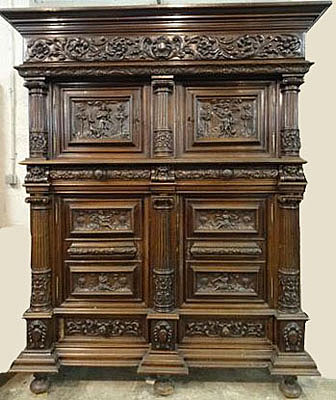
Renaissance was the bahut-deux-corps - a massive undertaking of cabinet upon
cabinet with the uppermost one often slightly narrower and crowned by a
pediment. A band containing one or two
levels of drawers and forming the top portion of the lower bahut was
common. Although beautifully
integrated, the bahut-deux-corps retained its identity as two cabinets coming
apart for ease of transport. Such
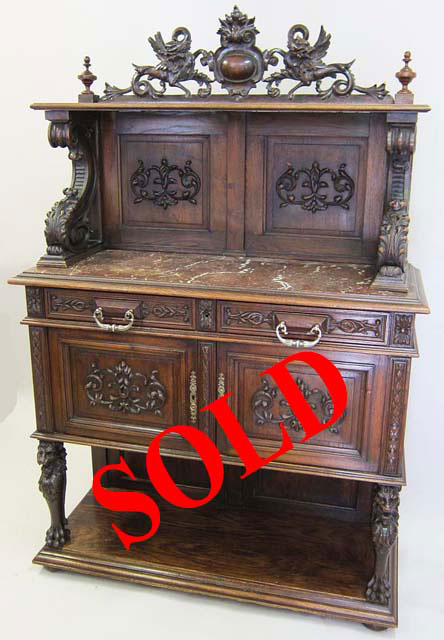
pieces were often covered in hand-carved decoration incorporating such elements
as lions' heads, caryatids, mythological creatures, heraldic motifs, musical
instruments, vegetation and portraits of the owners. Some even incorporated painted panels imitating Botticelli and
other masters of the Italian Renaissance.
The enthusiasm for the New World and the age of exploration was
reflected in a style incorporating heads with feather headdresses and exotic
flora such as corn. This is directly attributable to a sort of 16th century
theme park created in Normandy by the ruling
aristocracy and populated by 50 Indians from
Brazil whose feather headdresses and elaborate
earrings sparked a revolution in fashion and
design reflected in the intricate carvings covering
cabinets of the time. Perhaps
in reaction to this pervasive decoration, by the time of Louis XIII's reign in
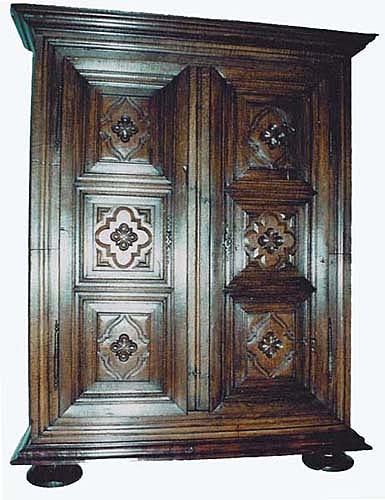
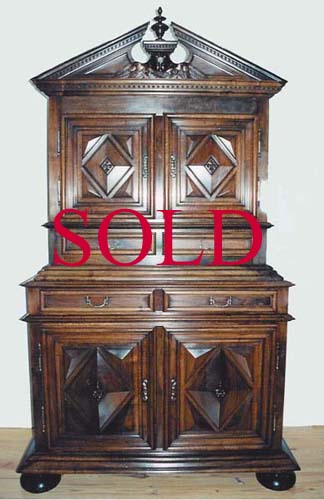
the 17th century, cabinets retained their architectural feel but ornamentation
was geometric (diamond shapes) and placed a greater emphasis on the beauty and
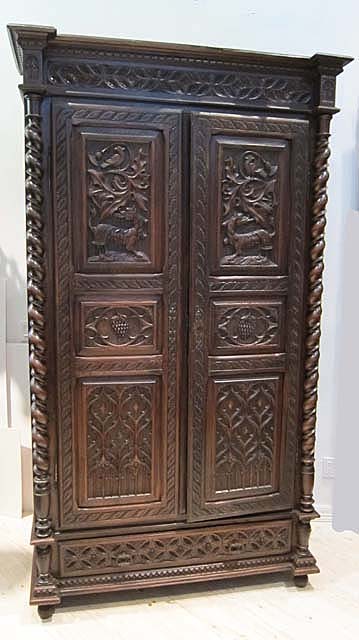
refinement of the wood itself. Size
still mattered and, as in the case of the armoire, cabinets took on huge
proportions and a commanding presence. In
addition to the bahut-deux-corps, other forms of cabinets were widely used in
the 19th century revival of interest in the Gothic and Renaissance styles. For example, what we would today call a
buffet or sideboard was a long, low cabinet or enfilade - taking its name from
the Latin for "thread" and referring to the architectural device of
stringing together a linear arrangement of interior doors. Of a more rustic character is the
confiturier or cabinet for storing fruit jams and preserves. And for the sophisticated gentleman, there
is the pantalonnière, a cabinet with doors behind which drawers emerge for
laying out his array of trousers. The 19th century in France saw a wide-ranging revival of the styles of earlier times and the adaptation of cabinets to meet regional tastes and modern uses. Our collection of cabinets represents some of the most beautiful and functional output of these craftsmen. |
|