M. Markley Antiques HOME
Items for Sale
Gaga for Gothic
Rah Rah for Renaissance
Cabinets and Armoires
Tables and Desks
Chests and Boxes
Mirrors
Décor Items
Ceramics
Chairs, Benches, Beds
Resources
About Us
Stylistic Origins
Terms of Sale
Delivery
Art of Business
First Modern Corporation
Europe Travel Articles
Contact Us
Gothic, Renaissance, Louis XIII, Louis XIV Chairs from France
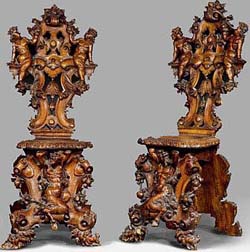
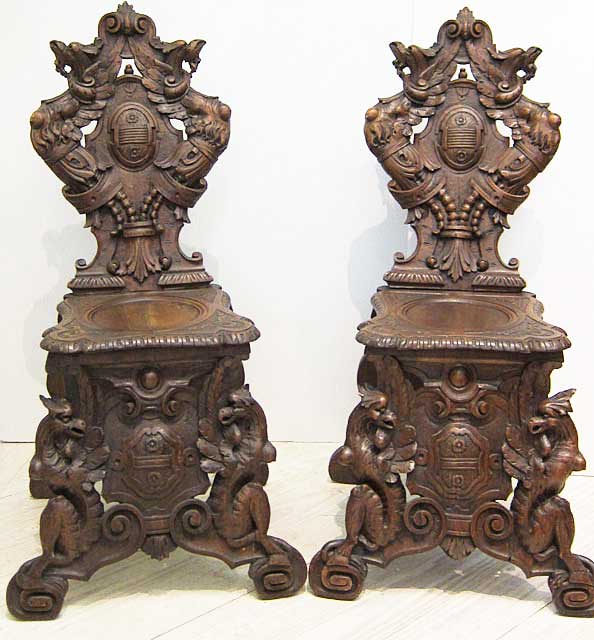
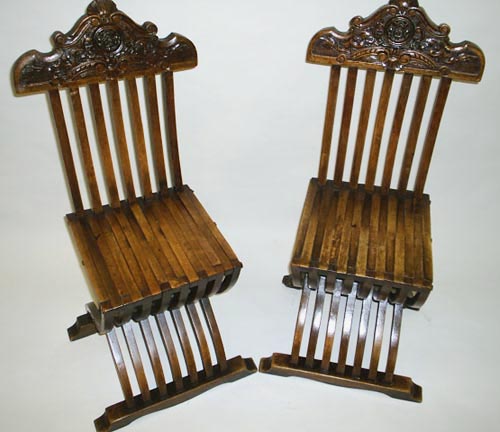
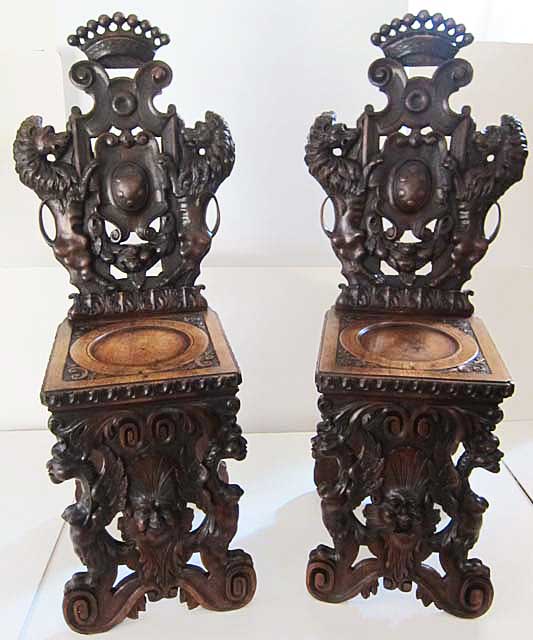
5334 Pair of
Sgabelli
in Fontainebleau Style $7,380
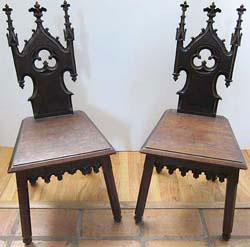
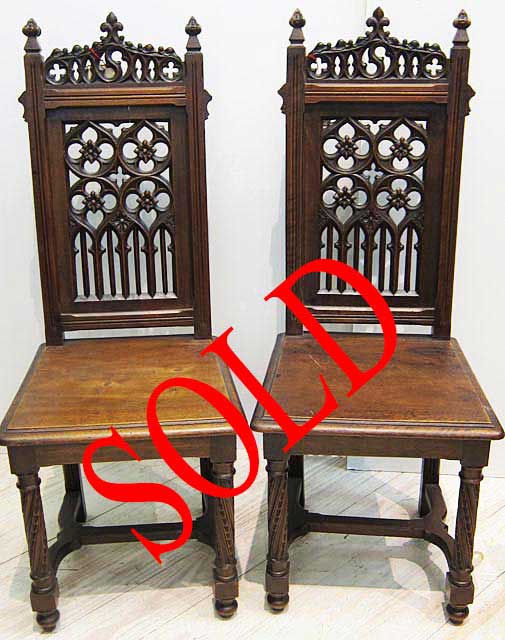
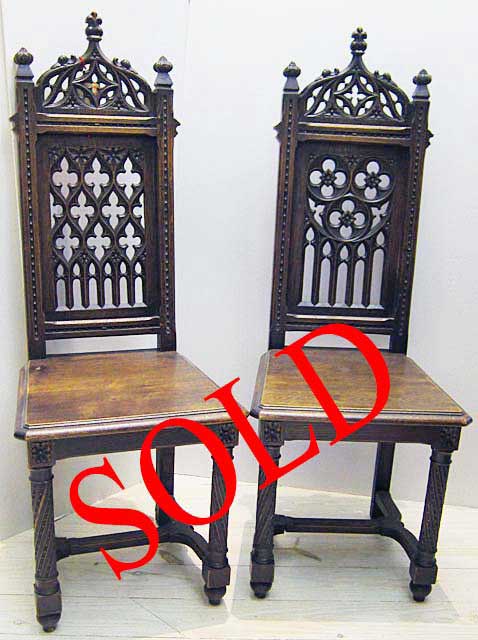
5166 Pair of Gothic Revival Chairs $1,595
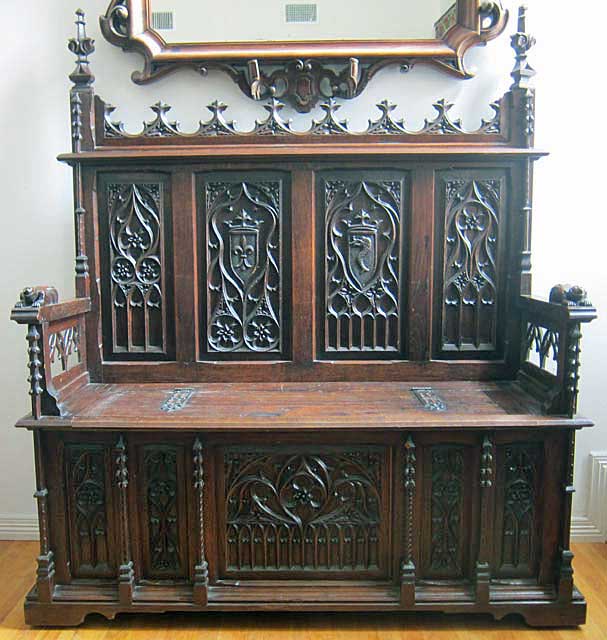
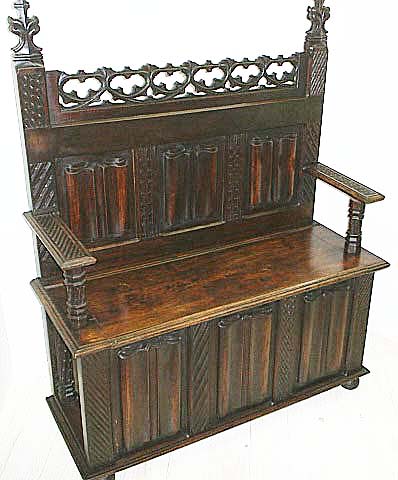
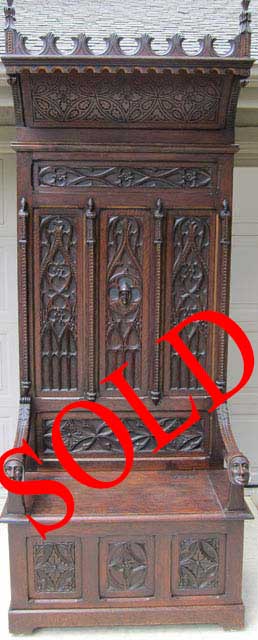
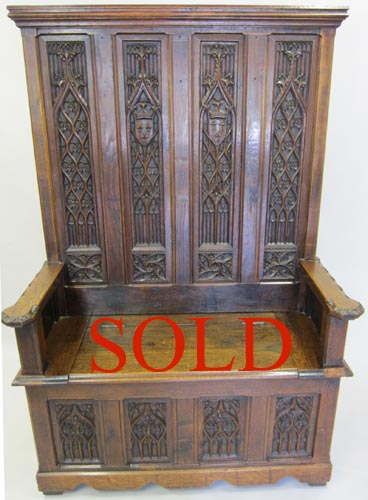
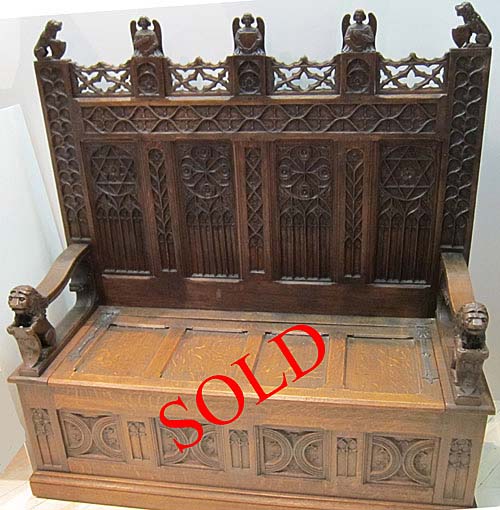
5301 Gothic French Bench $5,270
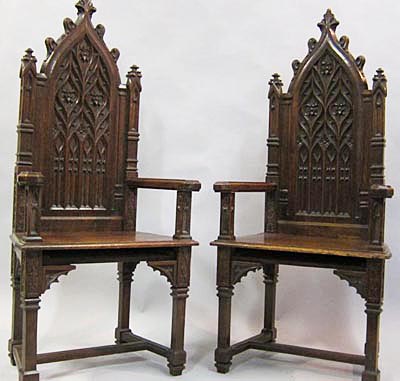
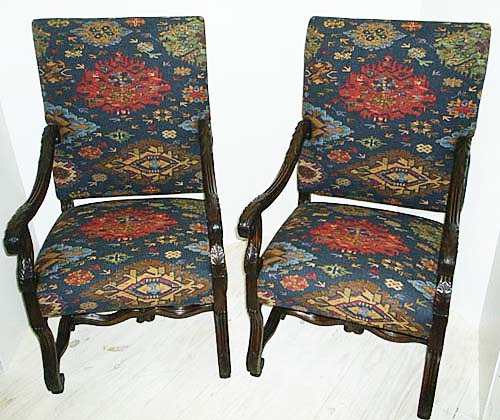
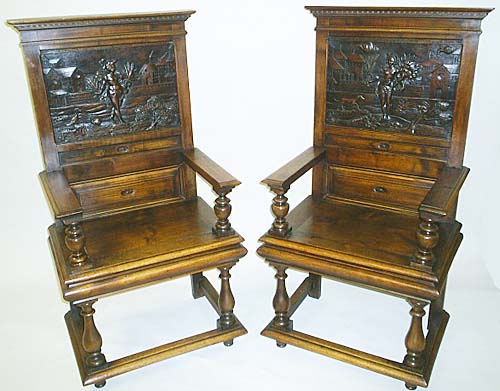
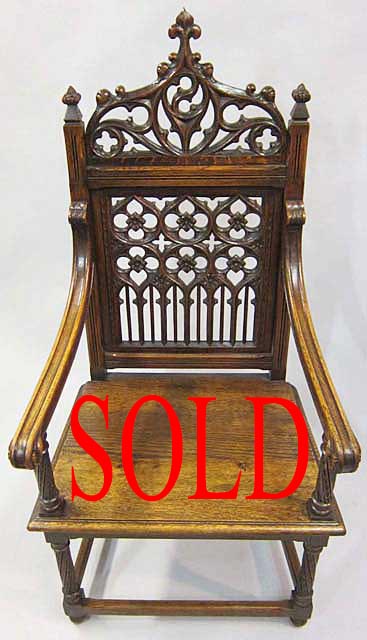
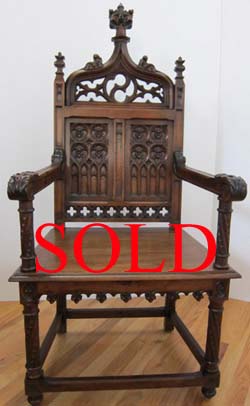
5213 French Gothic Armchairs in Oak $2,978
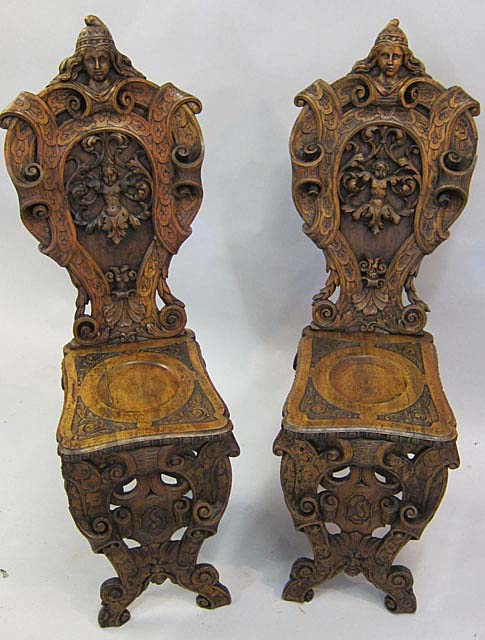
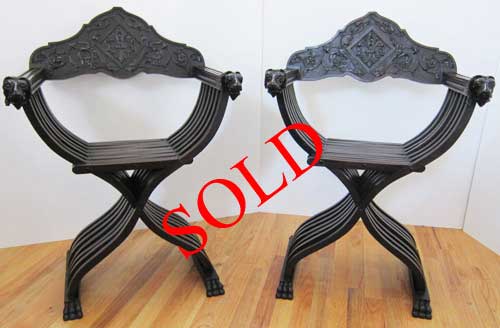
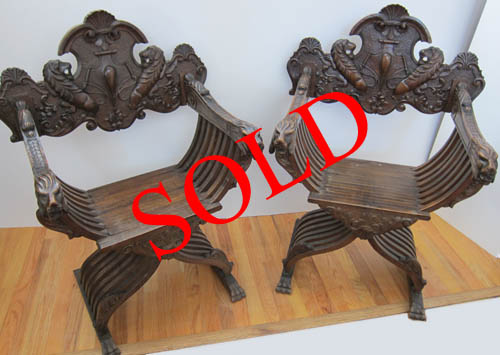
5190 Pair of French
Sgabelli
$6,895
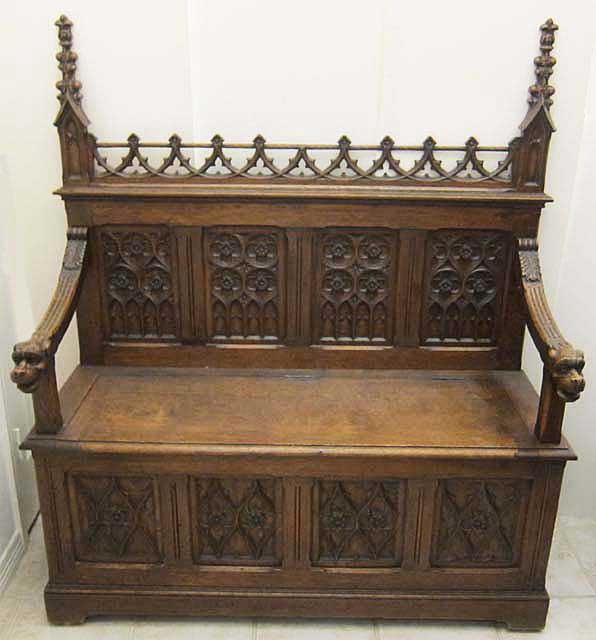
5340 Gothic Revival Bench $3,675
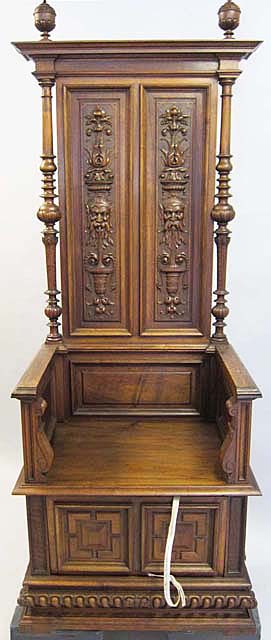
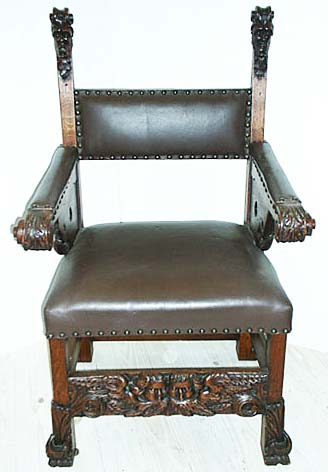
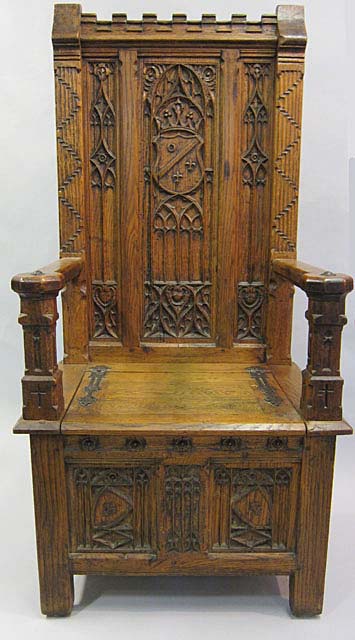
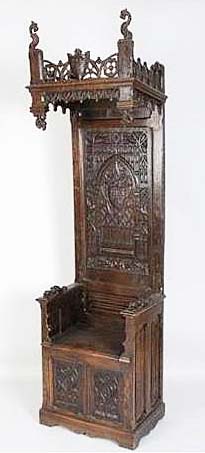
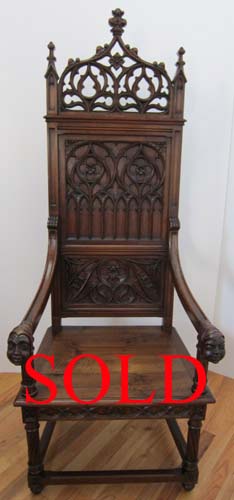
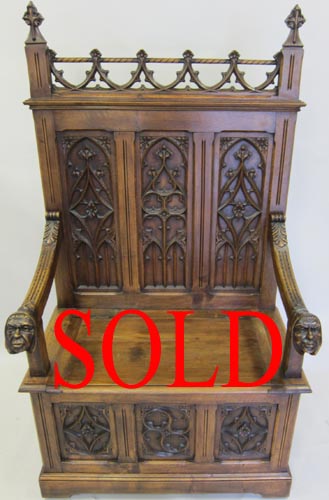
5212 Antique Throne Chair with Grotesque $4,675
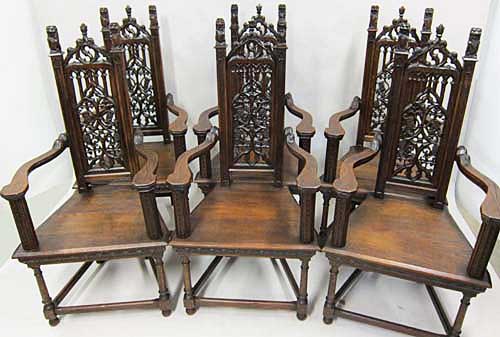
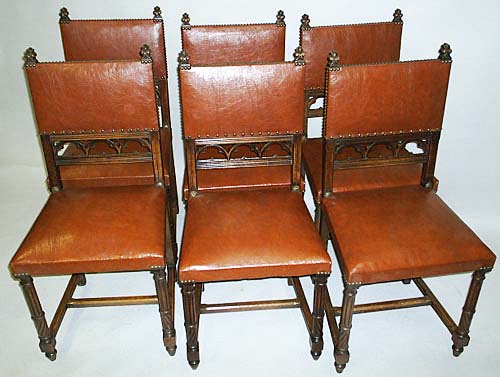
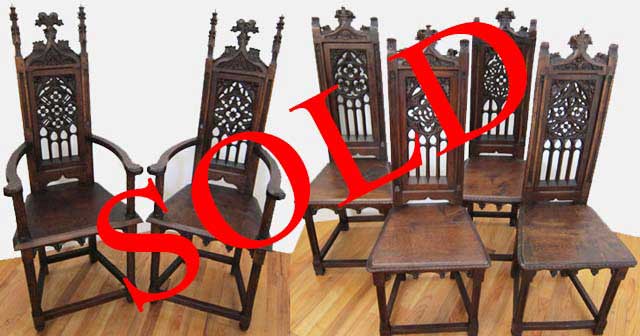
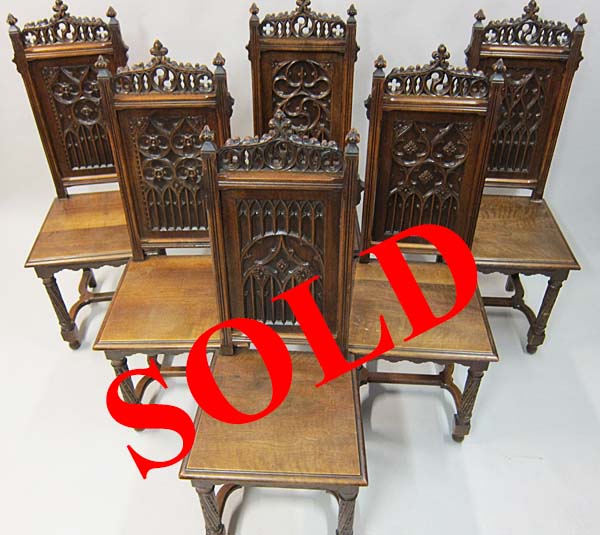
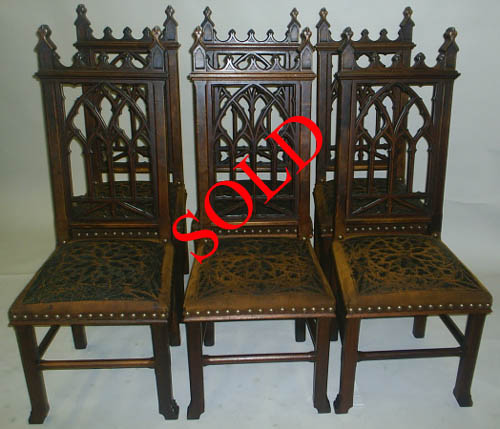
5138 Six Gothic Armchairs $7,495
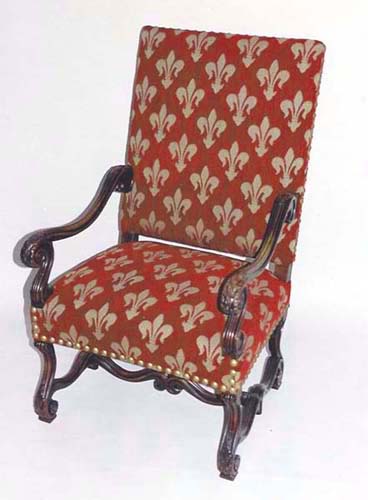
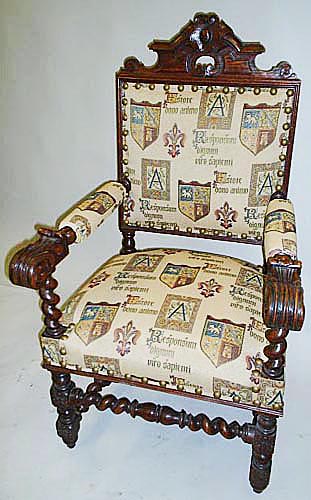
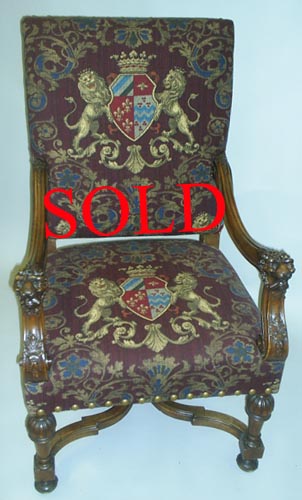
1023 Louis XIV Armchair with Fleur-de-Lys $3,195
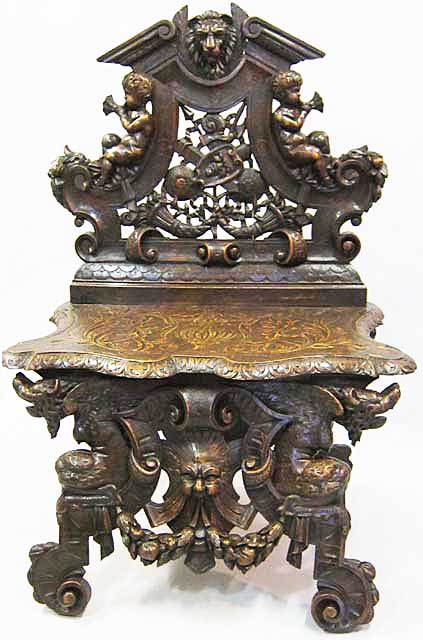
5220 Renaissance (Fontainebleau) Sgabello $4,995
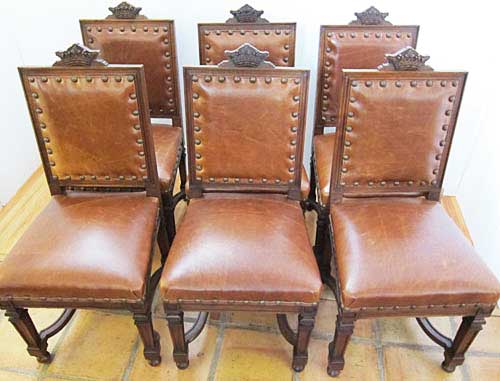
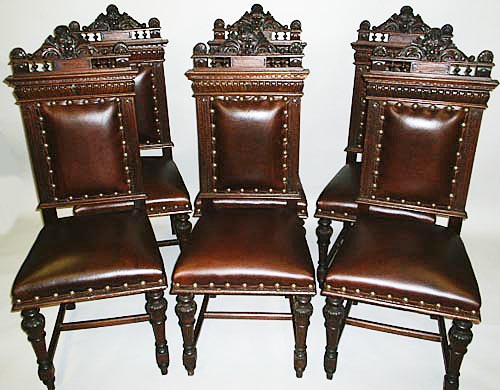
4175 Six Leather Dining Chairs with Crowns $2,895
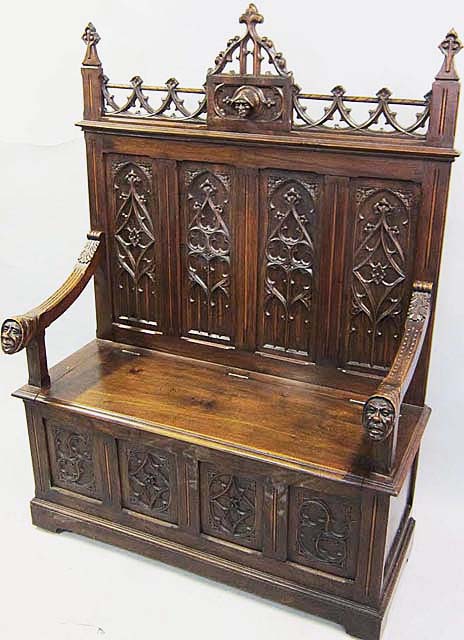
5202 Gothic Bench in Walnut $4,180
5222 Pair of French
Sgabelli
$3,195
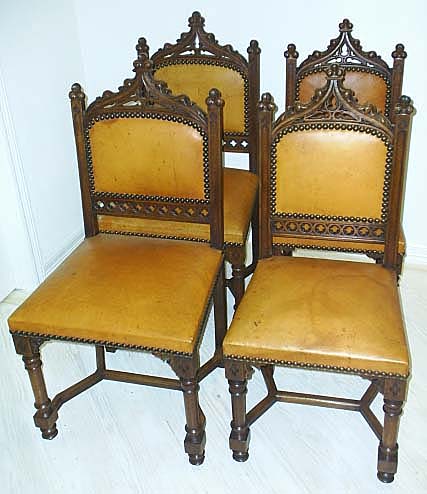
9221 Four Gothic Leather Dining Chairs $1,995
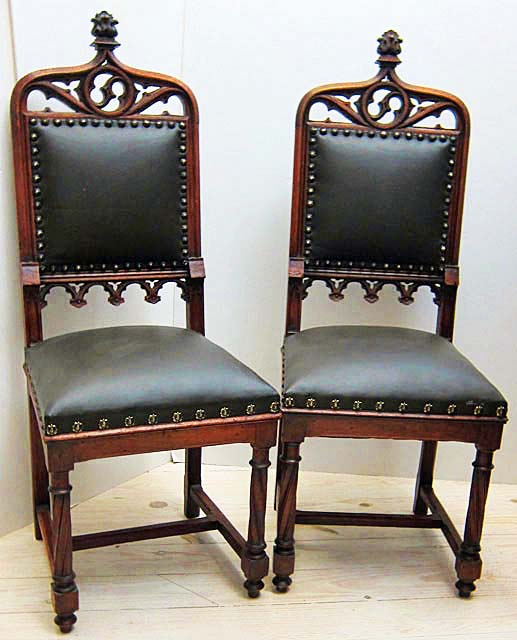
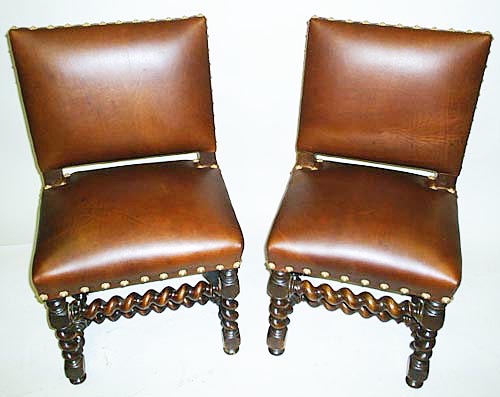
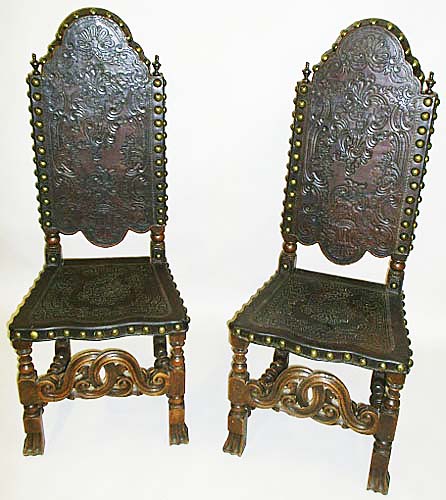
4172 Pair of Gothic Dining Chairs in Leather $1,595
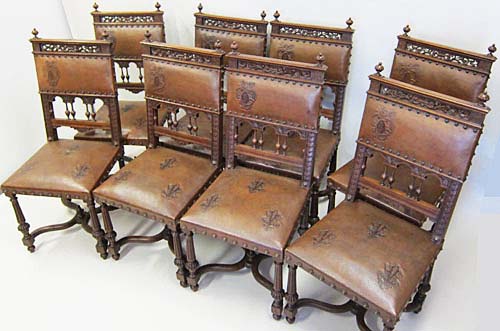
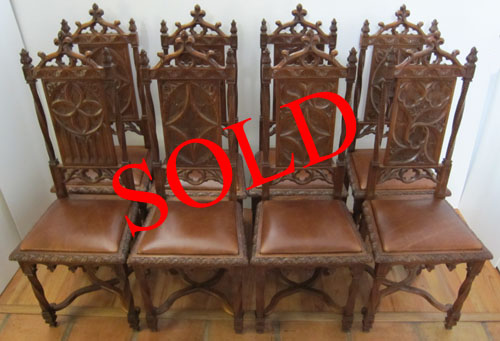
4124 Eight Leather Dining Chairs $5,195
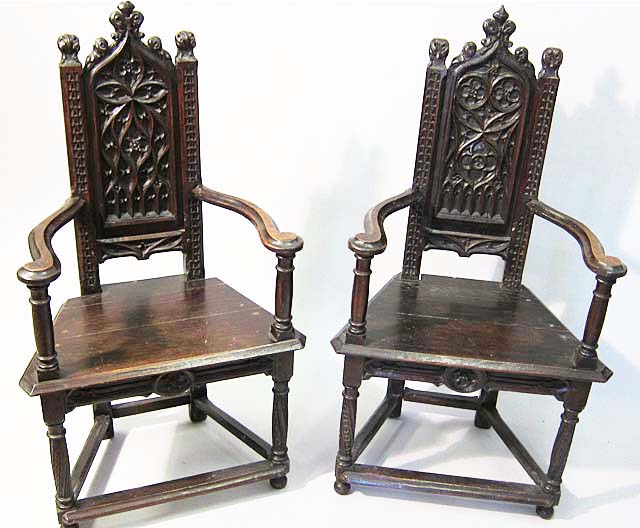
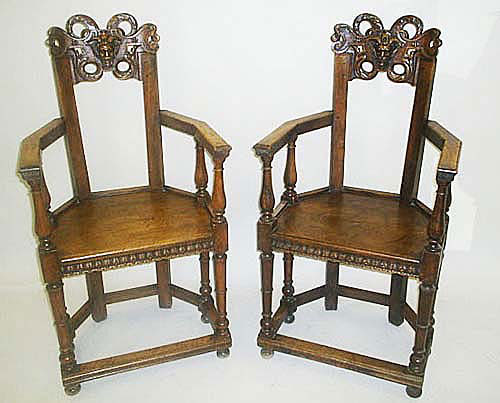
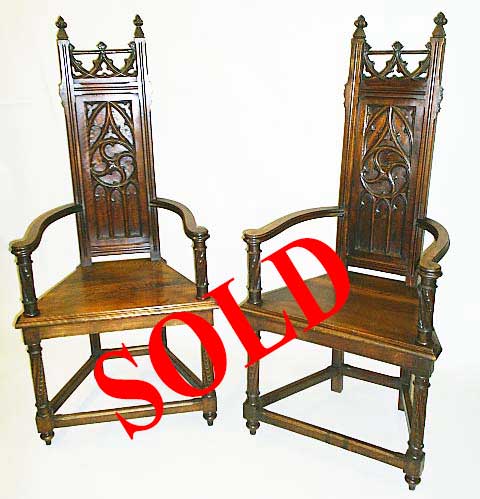
5188 Pair of Gothic
Caquetoires
$2,637
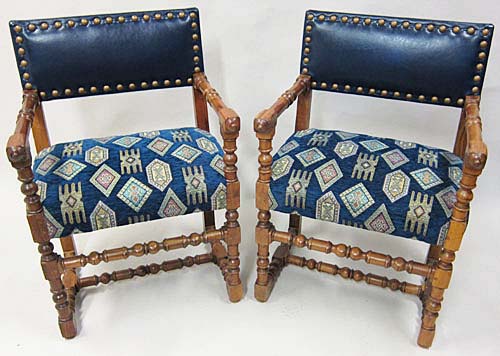
3087 Reproduction Louis XIII Armchairs $200 each
4121 Gothic Bench $2,787
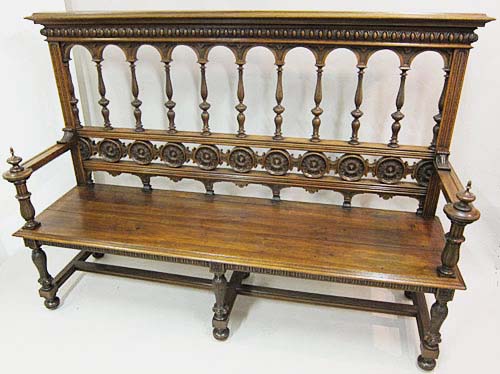
3112 Renaissance Walnut Bench $2,495
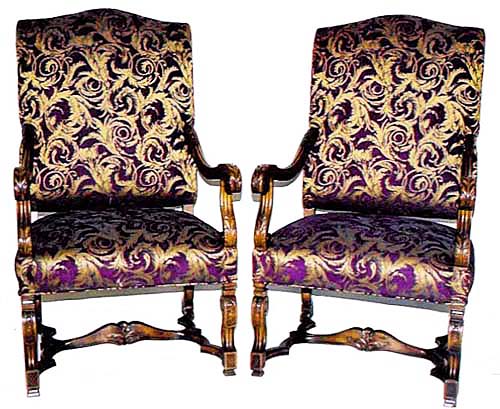
3222A Louis XIV Armchairs $3,875
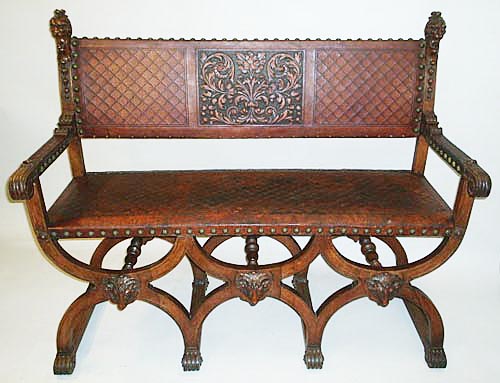
4130 Renaissance Bench in Leather $4,995
4127 Renaissance Armchair with Medusa and Dolphins $2,687
4107 Six French Gothic Dining Chairs $1,985
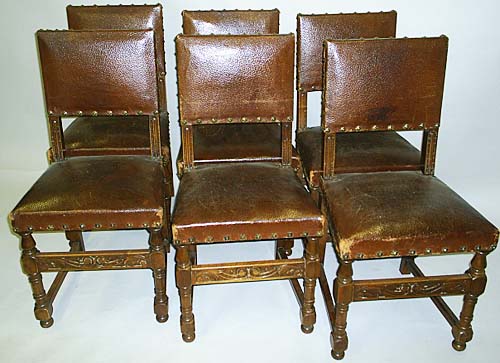
4128 Six Renaissance Leather Dining Chairs $5,995
3211 Gothic Armchair $1,595
3312 Leather Dining Chairs $795
3106 Louis XIV Armchairs Acanthus Leaves $3,995
4129 Dining Chairs Hand-Tooled Leather $2,895
3221 Pair of "X" Chairs $897
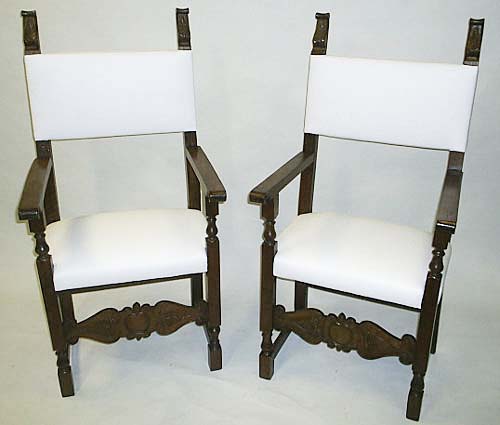
3301 Pair of Tuscan-Style Renaissance Armchairs $2,214
3310 Pair of Renaissance Walnut Armchairs $3,495
5108 Pair of Children's
Fauteuils Dagobert
$4,495
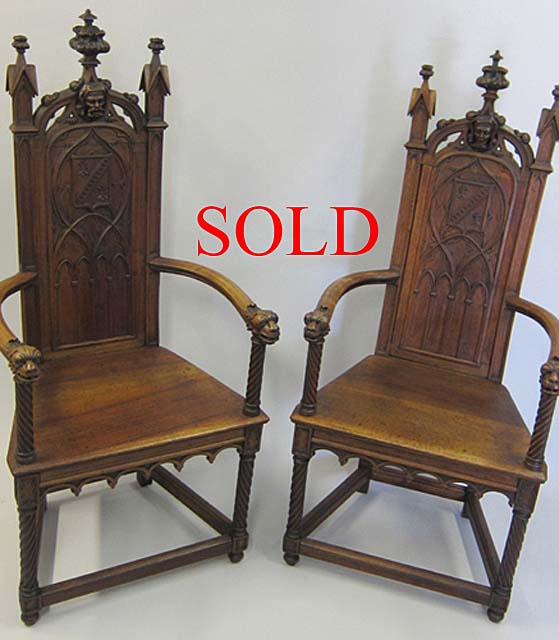
4149 Pair of Gothic Armchairs (
Caquetoires
) $2,989
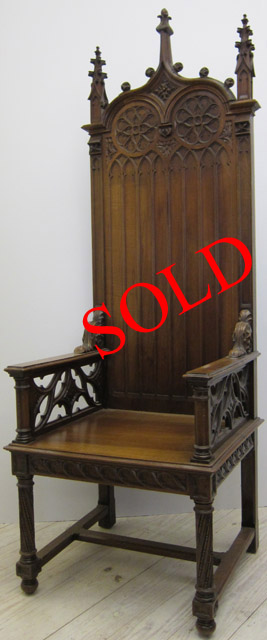
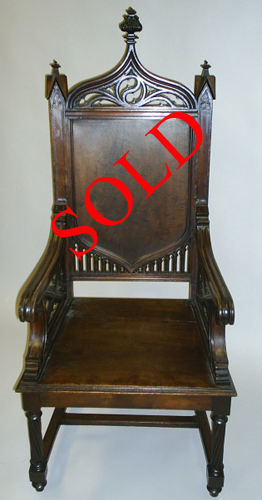
5204 Gothic Throne Chair in Oak $3,290
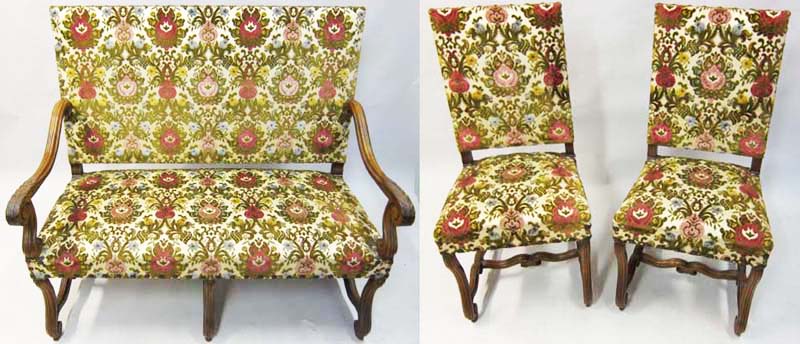
3212 Settee and Two Chairs $1,787
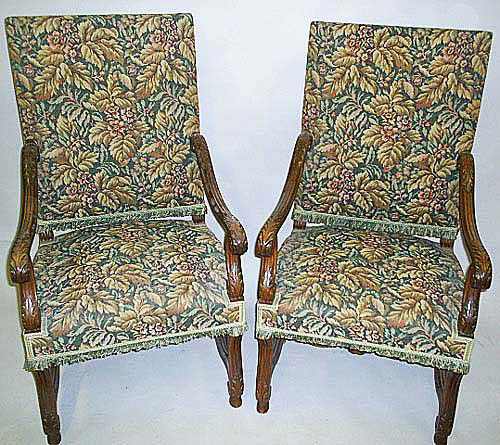
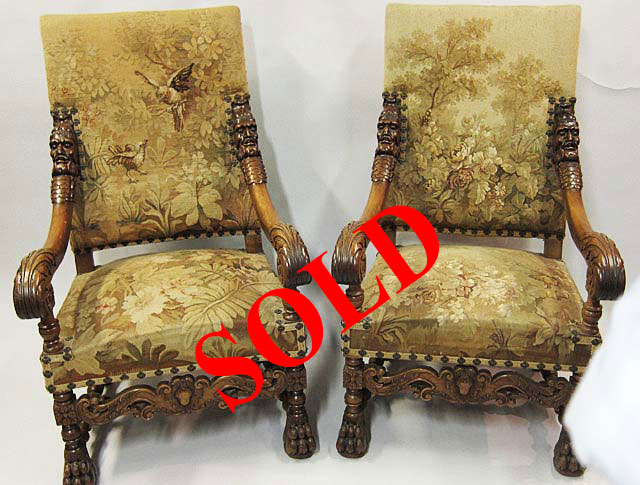
3105 Louis XIV Verdure Armchairs $1,195
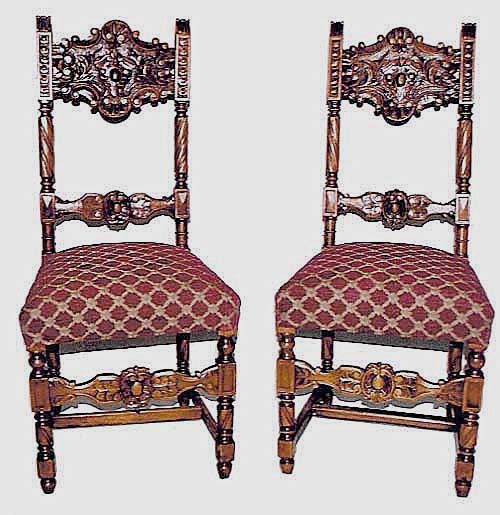
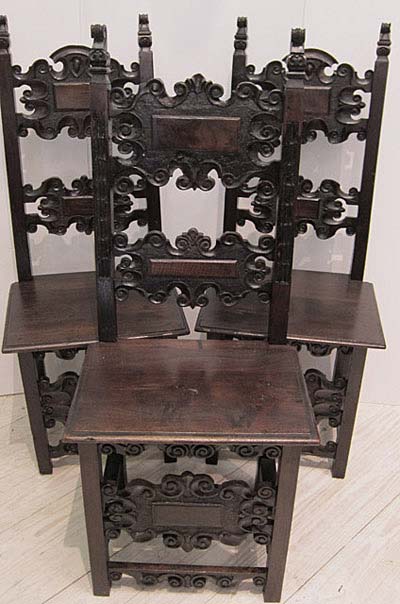
3110 Pair of Renaissance Dining Chairs $1,347
Request more information on item 5311 Pair of French Antique Sgabelli $3,695 (45¼H; 19W; 19½D)
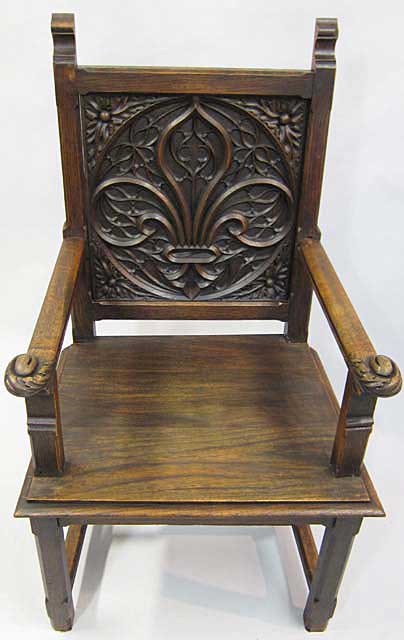
Request more information on item 5206 Gothic Armchair with Fleur-de-Lys $1,995
Request more information on item 5341 Four Italian Renaissance Style Chairs $3,295 (42½H; 17W; 14½D)
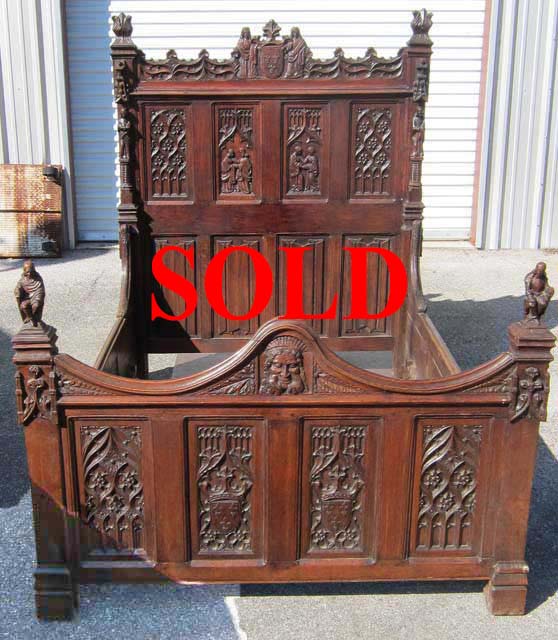
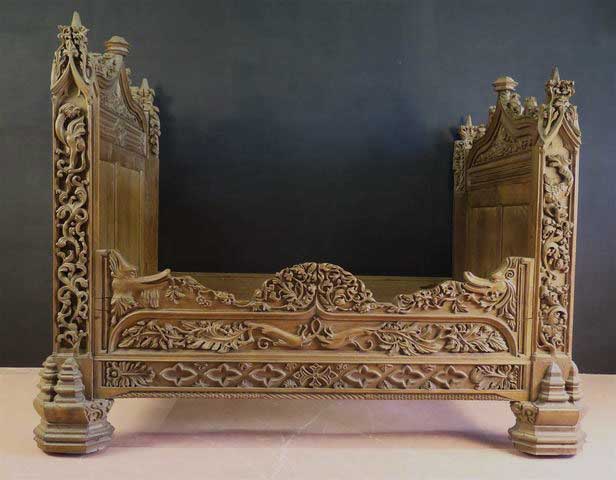
Request more information on item 5329 Gothic Bed with Animal Carvings $4,975 (70H; 48W; 81L)
Request more information on item 5159
Chaise Cathèdre
$11,495 (83H; 26W; 18D)
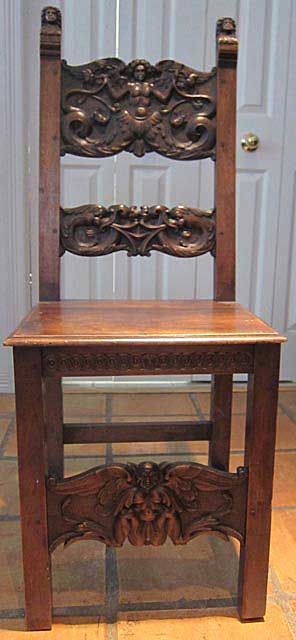
Request more information on item 5335 Sgabello $2,865 (50H; 18W; 24D)
Request more information on item 5340 Gothic Antique Bench $3,675 (59H; 49W; 21D)
Request more information on item 5167 Tuscan Style Chairs $2,495 (49H; 20W; 15D)
Request more information on item 4135 Six Leather Dining Chairs $2,995
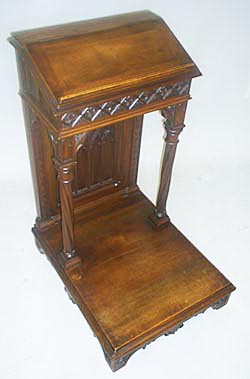
Request more information on item 4161 Gothic
Prie-Dieu
$2,995
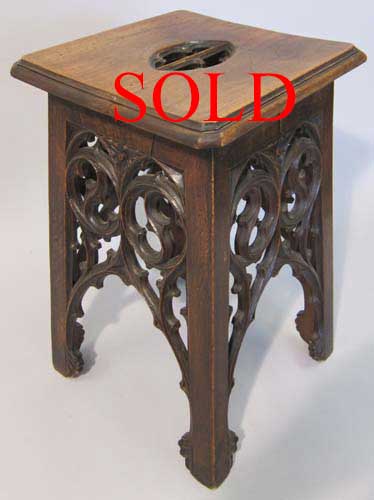
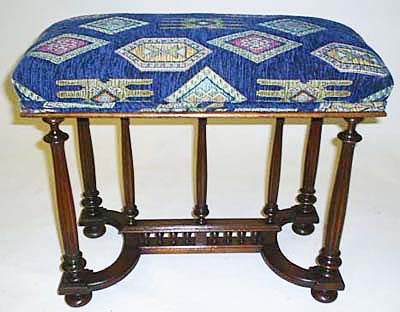
5189 French Gothic Stool
Request more information on item 9302 Piano Stool $495
4190 Chairs and Dining Table with Inlay
4180 Pair of Matching Gothic Dining Chairs
5224 Gothic Armchair
5208 Pair of Gothic Dining Chairs
5116 Six Gothic Dining Chairs
5177 Massive Gothic Throne
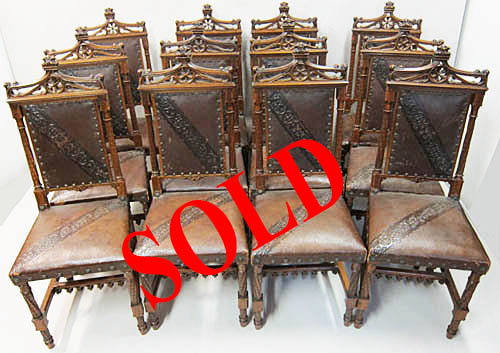
5119 Twelve Leather Dining Chairs
4118 Pair of Gothic
Caquetoires
5127
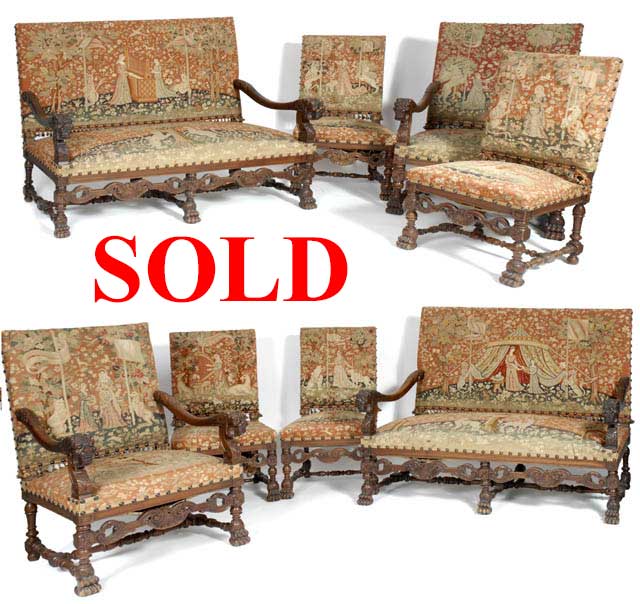
Lady and the Unicorn
Collection
5151 Pair of Louis XIV Armchairs
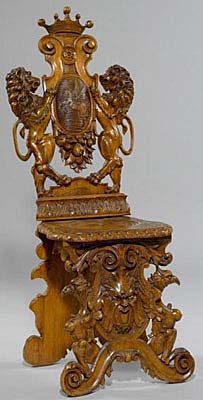
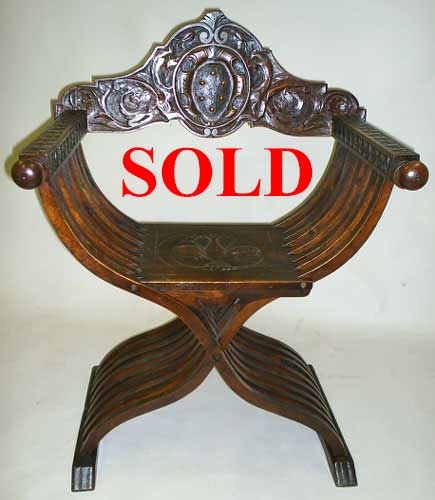
4116 Savonarola Chair with Medici Coat-of-Arms
5332B Gothic Bed
4193 Pair of Fauteuils Dagobert
4183 Gothic Bench
5121 Gothic Dining Chairs
5195 Gothic
Caquetoires
5137 Gothic Bench
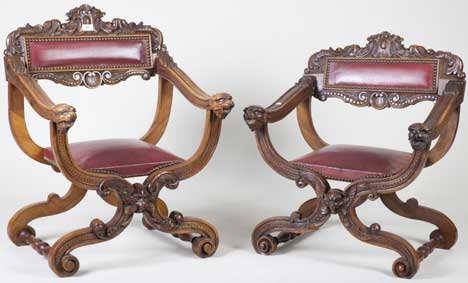
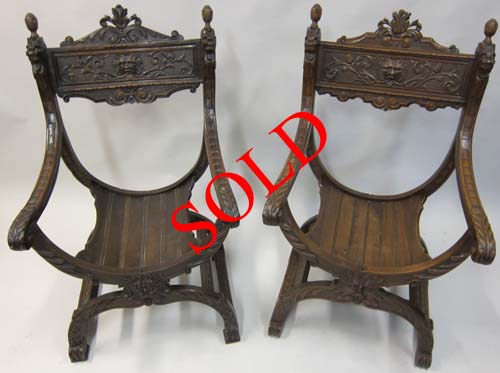
4187 Pair of Savonarola Chairs
3214 Gothic High-Back Chair
4126 Gothic Armchair
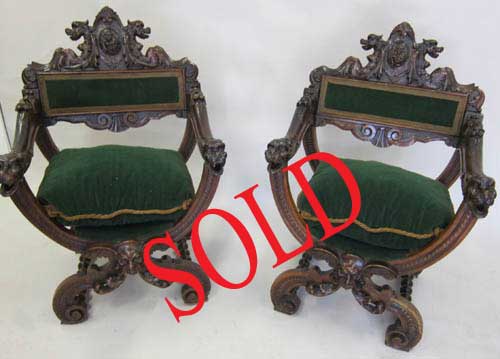
5101 Savonarola Chairs with Lions
5102 Pair of
Fauteuils Dagobert
4180A Gothic High-Back Armchair
4180B Small Gothic Armchair
3109 Louis XIV Armchair with Lions
4173 Walnut Gothic Bench
4110 Set of 6 Leather Gothic Dining Chairs